
What Is a CFR Feedstock Eligibility Review and Who Needs One?
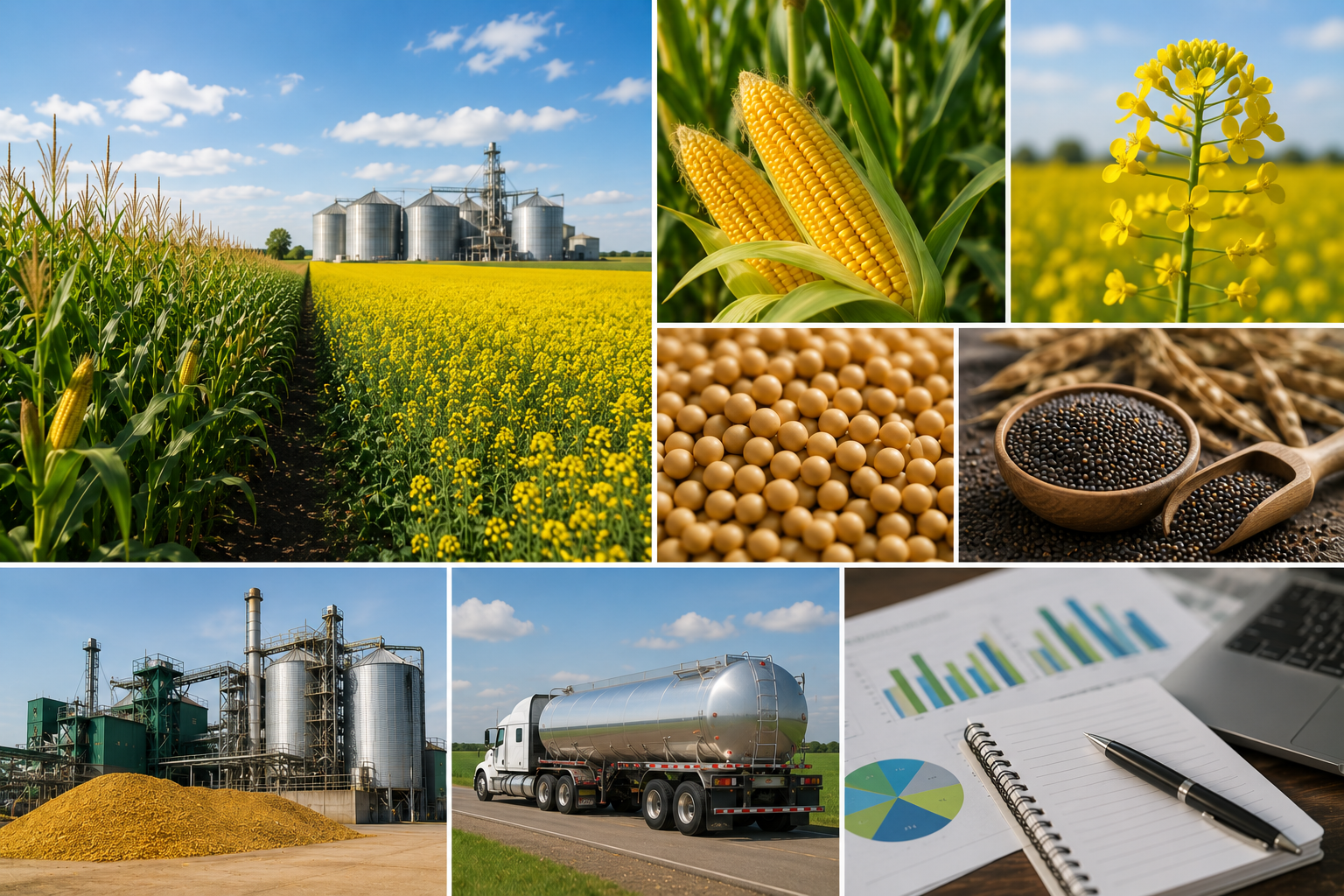
Agricultural feedstocks, grain handling infrastructure, transportation logistics, and supporting documentation commonly associated with CFR feedstock eligibility reviews in Canada.
Canada’s Clean Fuel Regulations (CFR) are intended to reduce the carbon intensity of gasoline and diesel used in Canada. One way companies can participate in the CFR credit system is through the supply of low-carbon-intensity fuels, including fuels made from eligible feedstocks.
However, not every feedstock automatically qualifies. The feedstock must be properly classified, supported by records, and documented in a way that aligns with the CFR.
That is where a CFR feedstock eligibility review can help.
Why Feedstock Eligibility Matters
Feedstock eligibility affects whether a feedstock can support CFR-related documentation, carbon intensity pathways, and credit creation activities.
The CFR looks beyond the name of the feedstock. It also considers:
what the feedstock is;
where it came from;
how it was handled;
whether declarations are available;
whether land use and biodiversity requirements apply; and
whether the records support the proposed classification.
For example, used cooking oil, tallow, secondary forest residue, and virgin canola oil may all be used in low-carbon fuel production, but they are not documented the same way under the CFR.
Section 46 Feedstock Classification
Section 46 of the CFR identifies eligible feedstock categories. In general, these include:
feedstocks not derived from biomass;
certain waste, residual, or by-product biomass feedstocks; and
other agricultural or forest biomass feedstocks.
This classification matters because it affects the documentation required. Agricultural and forest biomass feedstocks may require additional land use and biodiversity support, while waste or residual feedstocks may require strong records showing origin, handling, and traceability.
A feedstock that is classified incorrectly can create issues during review, verification, or audit.
What Is a CFR Feedstock Eligibility Review?
A CFR feedstock eligibility review is a technical review of the documents supporting a feedstock’s classification and eligibility under the Clean Fuel Regulations.
Depending on the file, this may include review of:
supplier or harvester declarations;
delivery tickets and invoices;
contracts or supply agreements;
chain-of-custody records;
land use and biodiversity documentation;
material balance records;
carbon intensity pathway support; and
consistency between the records.
The goal is to determine whether the available information provides a reasonable and defensible basis for the proposed feedstock classification.
Declarations, Records, and Traceability
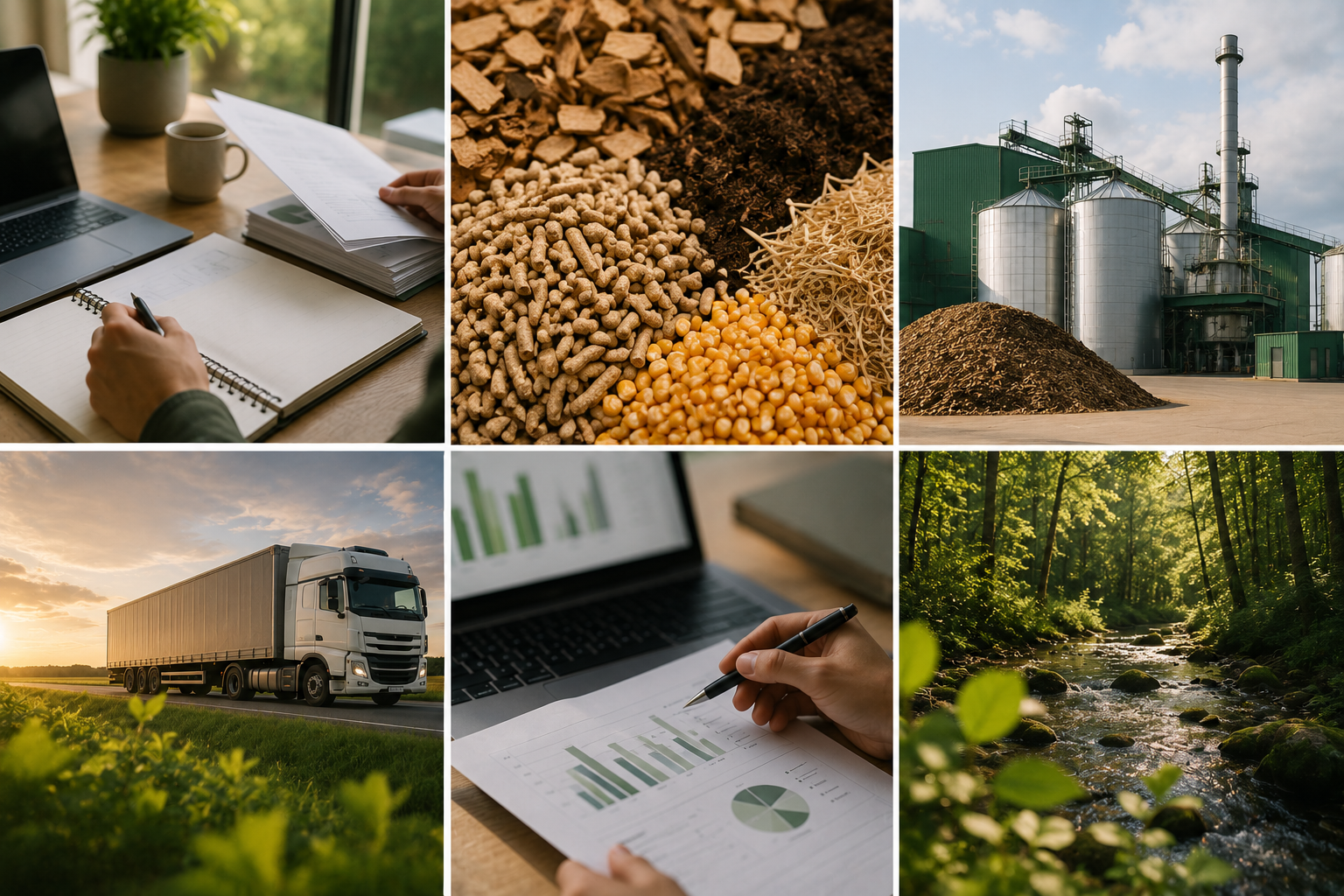
Examples of agricultural feedstocks, biomass processing, transportation logistics, environmental documentation review, and sustainability considerations associated with CFR feedstock eligibility assessments in Canada.
For many biomass-derived feedstocks, the CFR includes declaration and recordkeeping requirements under Sections 57 and 58.
In practical terms, the file should help answer basic questions:
Who handled the feedstock?
What quantity was handled?
Where did it come from?
Are the required declarations signed and complete?
Do the tickets, invoices, and declarations align?
Can the feedstock be traced through the supply chain?
A declaration is helpful, but it should not stand alone. It should be supported by the underlying records.
Land Use and Biodiversity Considerations
Land use and biodiversity requirements may apply to certain agricultural and forest biomass feedstocks.
Depending on the feedstock type, origin, exemption, or certification pathway, documentation may need to address items such as:
wildlife habitat protection;
indirect land use change;
sustainable agricultural land management;
forest management practices; and
applicable certification or exemption pathways.
For crop-based feedstocks such as canola, corn, wheat, or soybeans, it is important to review whether the available documentation supports the applicable land use and biodiversity requirements.
Who May Need a Feedstock Eligibility Review?
A review may be useful for:
low-carbon-intensity fuel producers;
registered creators;
carbon intensity contributors;
foreign suppliers;
feedstock suppliers;
aggregators; and
processors or handlers in the supply chain.
As CFR documentation expectations become more familiar across the market, feedstock suppliers are increasingly being asked to provide declarations, delivery records, traceability information, and other supporting documents.
Common Documentation Gaps
Common issues include:
incorrect feedstock classification;
incomplete declarations;
missing signatures or dates;
unclear buyer or seller information;
unclear feedstock origin;
gaps between tickets, invoices, and declarations;
unsupported land use and biodiversity claims;
incomplete material balance information; and
inconsistencies between records and carbon intensity documentation.
These gaps do not always mean a feedstock is ineligible. However, they may need to be addressed before the file can be considered complete and defensible.
How Eland Can Help
Eland Environmental Consulting Corp. provides CFR feedstock eligibility review and supporting documentation services for low-carbon-intensity fuel producers, feedstock suppliers, aggregators, and carbon intensity contributors.
Our services include:
feedstock classification review under Section 46;
review of declarations and supporting records;
land use and biodiversity documentation review;
supply chain traceability review;
material balance documentation review;
identification of documentation gaps; and
preparation of clear summary review reports.
Our approach is practical, evidence-based, and focused on defensibility. We help clients understand what is supported, what is incomplete, and what additional documentation may be needed before submission, verification, or audit.
Contact Eland Environmental:
info@elandenvironmental.com
elandenvironmental.com
References
Clean Fuel Regulations, SOR/2022-140, Department of Justice Canada.
Environment and Climate Change Canada. Land Use and Biodiversity Guidance under the Clean Fuel Regulations.
Environment and Climate Change Canada. Land Use and Biodiversity Declarations and Material Balancing Guidance Document.
Environment and Climate Change Canada. What Are the Clean Fuel Regulations?
